Whoa! My first reaction to DeFi in 2019 was pure curiosity mixed with a fair amount of suspicion. The UX was rough, gas wars were absurd, and I lost track of one too many approvals. Slowly though, things changed—protocols got smarter, tools matured, and some guardrails finally appeared. What I want to share here is practical: how I think about protocol selection, how I try to limit MEV exposure, and how I actually track a messy, multi-chain portfolio without the spreadsheets turning into a dumpster fire.
Seriously? Yes. I still get burned sometimes. But over the last few years I developed a workflow that cuts noise and focuses on security and simulation first. My instinct pushed me toward flashy APYs, though analysis pulled me back toward composability and risk models. Initially I thought that high yield meant smart design, but then I realized that yield often reflected hidden fragility; the faster the returns, the less time you have to undo a mistake. On one hand you want protocol throughput and composability, though actually you also need audited code, transparent incentives, and active governance participation.
Here’s the thing. Not all DeFi is equal. Some protocols are built for short-term yield churning, and others are constructed as plumbing for the entire stack. I bias toward the latter. This is a preference—I’m biased, but it’s rooted in experience with liquidity shocks and rug narratives. When a protocol’s TVL doubles overnight, my gut says “hold on” even if the charts look great.
Picking protocols with a pragmatic lens
Short-term farms excite people. Big returns are attention-grabbing. But long-term value lives in primitives and capital efficiency. I start with three quick checks: team transparency, code audit history, and economic soundness. Then I dive deeper—looking at oracle designs, timelocks, and how the protocol behaves under stress scenarios. This isn’t academic; it’s survival—because when markets panic, those who ignored the fundamentals lose first and loudly.
One practical rule: prioritize composability and explicit risk controls. That means favoring protocols that separate core logic from governance and that use well-known libraries or patterns. Another rule: small allocations to new launches, larger allocations to proven stacks. I still take part in launches—we all like a shot at upside—but I size positions so a failed protocol is a learning expense, not portfolio death.
Also, watch incentives closely. Tokens awarded for liquidity provision can distort behavior, makin’ the TVL look real when it’s really reward-driven. If a protocol’s yield is mostly from token emissions, dig deeper. Ask: who benefits if emissions stop? If that question is hard to answer, proceed cautiously. On a personal note, sometimes I ignore an amazing APY because the distribution mechanics smell like leverage built on sand…
MEV protection — what it is and what actually works
Hmm… MEV feels like the wild west hidden inside transaction ordering. In plain terms, it’s the profit miners or validators extract by reordering, including, or censoring transactions. It can mean front-running, sandwich attacks, or blocks of reordered trades that hurt users and distort markets. The good news: technical and economic defenses are improving. The bad news: it’s still a cat-and-mouse game between profitable extractors and privacy-preserving defenses.
There are several pragmatic defenses you can adopt. Use wallets and relays that support transaction simulation and private submission channels. Favor protocols that use batch auctions or uniform clearing prices when possible. Explore transactions submitted via privacy-preserving relays or builders on chains that support MEV-boost style separation. Each solution trades off latency, cost, and complexity, so pick what aligns with your use-case.
One thing I do: simulate every non-trivial trade locally before signing. Simulation shows slippage, estimated gas, and whether a sandwich attack is likely. That extra step has saved me from a handful of ugly outcomes. Another habit: break very large swaps into smaller tranches when liquidity depth is thin and price impact is uncertain. It’s slower, and yes it’s sometimes annoying, but preventing a 5% price slip is worth the hassle.
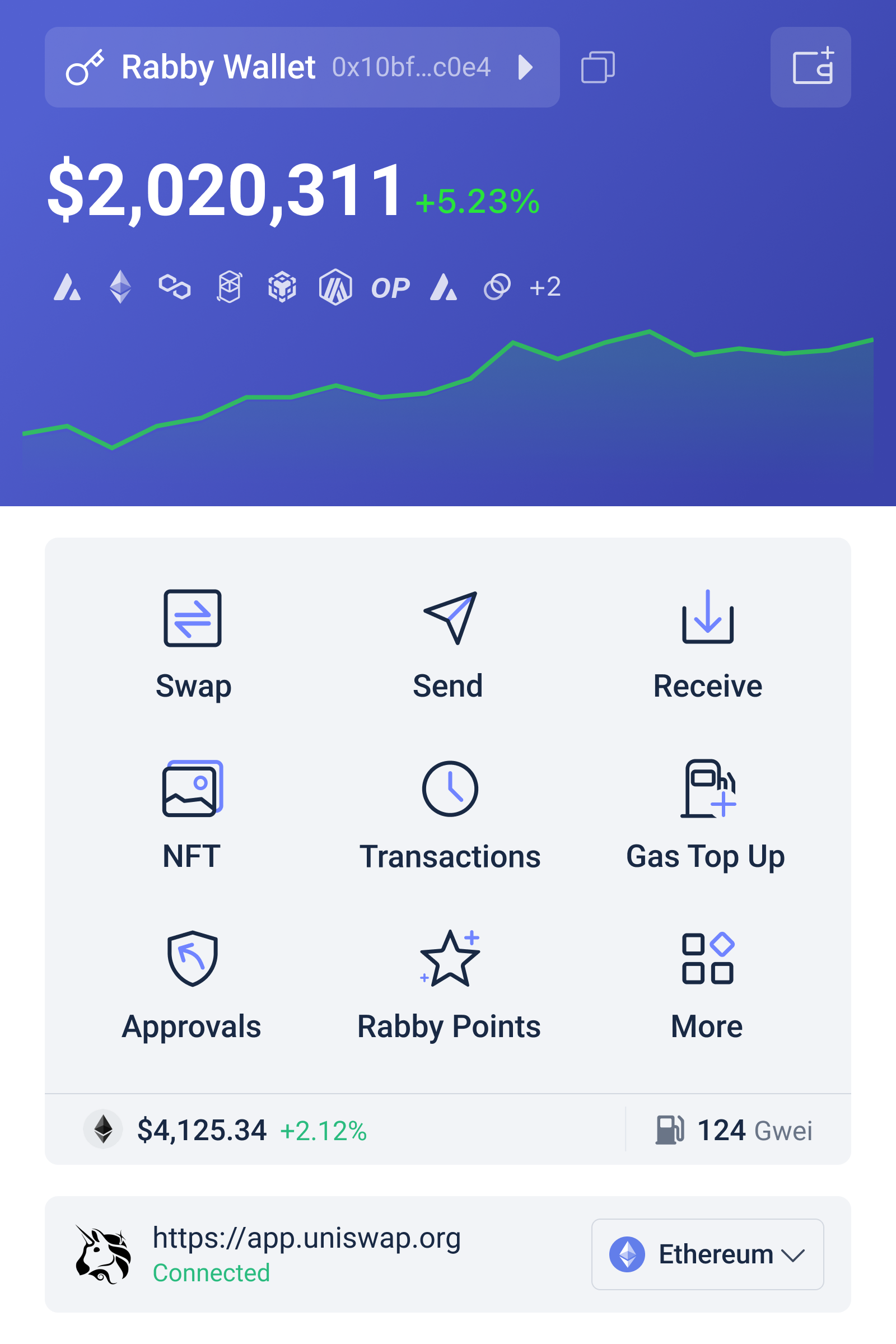
Mechanically, some wallets are better at this. They offer transaction simulation, native integration with private relays, and clearer gas controls. For me, those features are dealmakers—they turn a blind signature into informed consent. One wallet I rely on for this workflow is rabby wallet, because it integrates simulation and lets me inspect approvals and potential failures before I hit confirm.
Okay, caveat: no solution is perfect. On high-volume chains, adversarial searchers still capture value. But the right combination of wallet features and submission paths makes you a harder target. Initially I thought MEV was unsolvable, but then improvements in private mempools and proposer-builder separation made me reassess; those are real mitigations, though not panaceas. Actually, wait—let me rephrase that: mitigations reduce exposure materially, they don’t eliminate the structural incentives that created MEV, which is why governance and protocol design still matter.
Portfolio tracking that scales with your messy life
Keeping tabs on assets across L1s, L2s, and bridges is the part that makes me feel like a part-time accountant. The naive approach is a spreadsheet, but spreadsheets turn into fragile nightmares fast. My system blends tooling with manual checks: aggregate trackers for a big-picture view, and wallet-level audits for security signals. Automation alerts you; manual sanity checks save you.
I use an aggregator for daily snapshots—something that shows balances and PnL across chains without asking me to connect every single wallet for each view. Then, once a week, I run deeper checks: confirm token approvals, look for new contracts with spend rights, and verify no abnormal outgoing transactions occurred. This two-tiered approach balances convenience and safety. (oh, and by the way…) If I get a notification about a big change, I treat it like an emergency and go into full forensic mode.
For position-level detail I rely on transaction simulation and dry-runs before modifications. If I’m adding liquidity or moving funds to a new vault, I simulate the entire flow on my device and then submit privately where possible. This prevents dumb mistakes caused by gas spikes, MEV, or mis-specified parameters. I’ve watched yields disappear into sandwich attacks more times than I care to remember—very very frustrating.
Pro tip: reduce attack surface by vaulting only necessary funds in smart contracts and keeping some capital cold or in non-custodial holding patterns. That may sound conservative, and yeah it is. But diversification means across strategies and custody models. For some positions, self-custody and hardware wallets are fine; for others, a trusted multi-sig or institutional custody makes sense depending on exposure.
Operational hygiene — small habits, big payoff
Security isn’t glamorous. It’s boring, repetitive, and very effective. I review token approvals monthly. I revoke approvals that look outdated or unused. I rotate keys on long-lived strategies and keep recovery phrases physically secure. These are small chores, but they stop a cascade of bad things. If you’re lazy about approvals, one phishing contract will ruin a summer.
Also, set gas and slippage limits consciously. Default wallets often hide these details. Bump up the attention paid to these numbers: a careless 5% slippage on a thin AMM will cost you more than a few minutes of thought. And when a trade looks too good to be true, sniff around—check open interest, read recent governance posts, and search for odd token transfers. Your social ears are almost as valuable as your analytical tools; join community channels, but don’t trust a single source.
I’ll be honest: some of this sounds like overkill when markets are calm. You get sloppy. I do, too. But discipline saves capital during storms, and storms are when DeFi tests you. So build routines you can maintain even when you’re tired or distracted. Small process wins compound into big preventions against rare catastrophic losses…
Frequently asked questions
How can I tell if a protocol’s yield is sustainable?
Look past APY to the source of yield. If returns come mainly from token emissions, that’s a warning sign. Check revenue streams, fee models, and whether the protocol captures economic value in a way that survives emission tapering. Also inspect who benefits if emissions stop—if user capital suddenly faces massive dilution, the yield is probably fragile.
Is MEV something average users can avoid?
Not entirely, but you can reduce exposure. Use wallets with simulation, submit transactions via private relays when available, and prefer protocols with batch pricing or anti-frontrunning measures. Break large trades into tranches and monitor mempool behavior during volatile periods. These steps don’t make you immune, but they make you a harder and less profitable target.
What’s the single most effective habit for portfolio safety?
Regularly review and revoke unnecessary token approvals. Many exploits start because a malicious contract has permission to move funds. Pair that habit with transaction simulation before signing, and you’ll prevent a large share of accidental losses.